Coordinating Alert Systems Across Platforms with Bonus Release Schedules for Easier Wagering Compliance
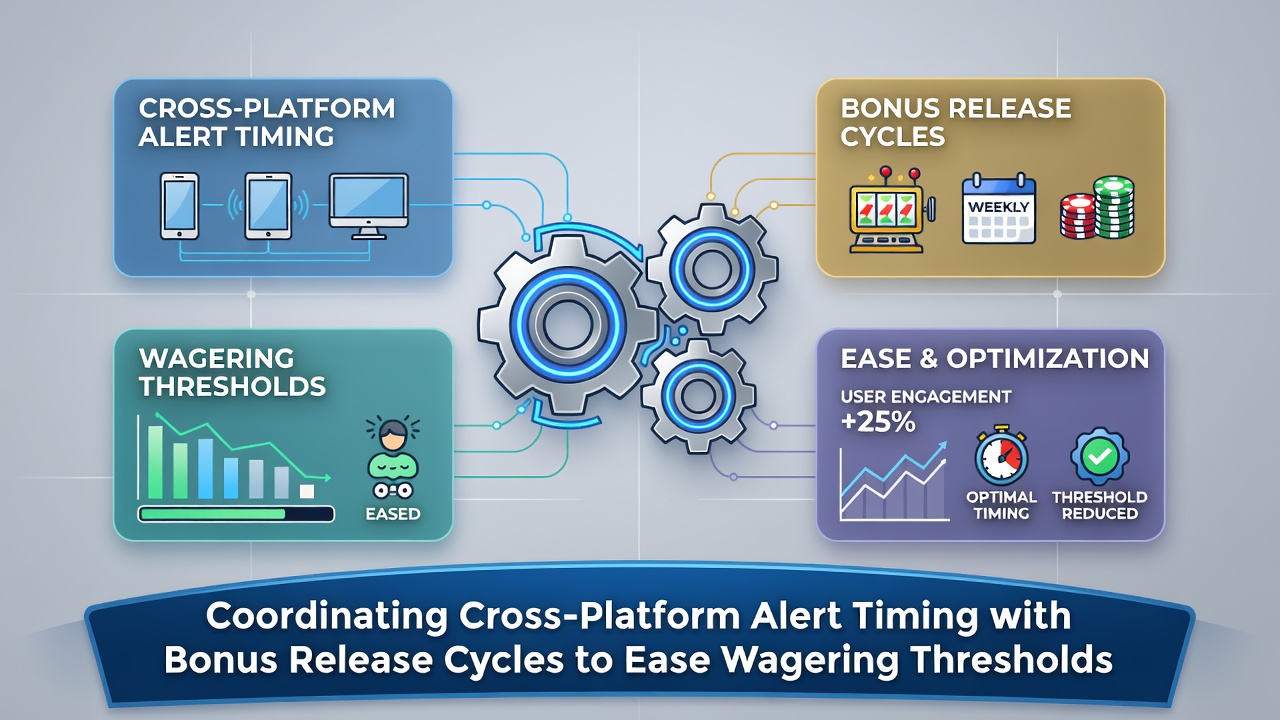
Operators in regulated gaming markets manage bonus deployments through automated cycles that release promotions at set intervals, and they pair these releases with alert systems spanning mobile apps, desktop sites, and tablet interfaces. Coordination of these elements allows players to receive notifications at moments that align with deposit windows, which in turn supports completion of playthrough requirements before thresholds reset.
Industry reports from bodies like the American Gaming Association show that synchronized timing reduces instances where users miss optimal play periods, particularly when bonuses carry specific validity windows measured in hours or days. Data collected across multiple jurisdictions indicates that platforms using unified alert protocols achieve higher engagement rates during release events compared to those relying on isolated notification channels.
Mechanics of Bonus Release Cycles
Bonus release cycles operate on predetermined schedules that factor in player activity patterns, regulatory caps on promotion frequency, and platform capacity for handling increased transaction volumes. Releases often occur during off-peak hours to balance server load, yet alerts must reach users across devices before the window closes. When systems integrate release data with cross-platform triggers, notifications arrive via push, email, or in-app banners at intervals that match the cycle start times.
Those who study gaming technology note that single-platform alerts frequently create gaps, as users switch between devices without receiving consistent updates. Multi-channel setups address this by routing the same release information through APIs that update all endpoints simultaneously, ensuring the alert timing reflects the exact moment a bonus becomes claimable.
Cross-Platform Synchronization Challenges
Different operating systems and device types introduce variables in alert delivery speeds, with mobile networks sometimes lagging behind desktop connections during high-traffic periods. Platforms that coordinate these elements employ central timing servers to standardize delivery, which minimizes discrepancies that could push notifications past the bonus activation point. Research from Canadian regulatory sources such as iGaming Ontario reveals that operators investing in unified alert frameworks report fewer player inquiries about missed opportunities.
Device-specific settings, including notification permissions and battery optimization features, further complicate timing, yet coordinated systems incorporate fallback mechanisms like scheduled emails that activate when push delivery stalls. This layered approach maintains continuity across the player journey regardless of the primary access method.
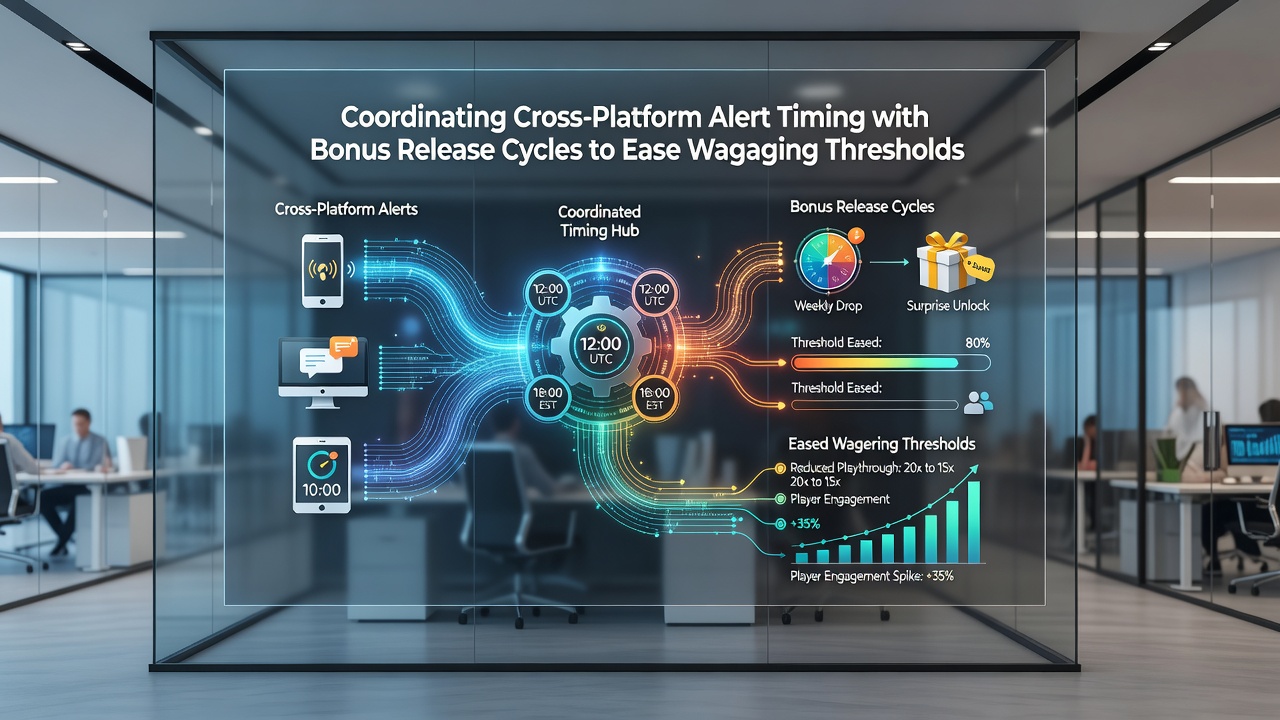
Strategies for Aligning Alerts and Releases
Effective coordination begins with mapping bonus cycles onto a shared timeline that accounts for regional time zones and peak user activity periods. Operators then configure alert rules to trigger at precise offsets before each release, allowing users time to prepare deposits or select eligible games. Studies from academic institutions tracking digital gaming behaviors demonstrate that offsets of fifteen to thirty minutes yield measurable improvements in wagering completion rates.
Additional techniques include segmenting user groups by device preference and activity history, then tailoring alert sequences accordingly. For instance, heavy mobile users receive earlier push prompts while desktop-oriented accounts get browser-based reminders closer to the cycle start. These segmented strategies rely on data aggregation rather than individual profiling, which keeps operations compliant with privacy standards across markets.
Effects on Wagering Threshold Management
Wagering thresholds tied to bonuses require players to meet turnover targets within defined periods, and timely alerts help distribute play sessions across the available window. When release cycles and notifications align, users can initiate qualifying bets or spins at the outset rather than scrambling near deadlines, which data from European gaming technology analyses links to lower abandonment rates for promotional offers.
Platforms that refine this coordination also track aggregate metrics such as average time from alert receipt to first qualifying action, using those figures to adjust future cycles. The result appears in broader industry statistics as steadier progress toward thresholds, particularly for combined promotions that span sportsbooks and casino sections.
Developments Anticipated in July 2026
Scheduled updates to cross-platform integration standards are set to take effect in July 2026, with several operators preparing to adopt enhanced API protocols that further compress alert latency across devices. These changes build on existing frameworks and aim to standardize timing precision regardless of network conditions or device type. Early testing shared through trade publications suggests the adjustments could support even tighter synchronization between bonus availability and user notifications.
Conclusion
Coordinating alert timing with bonus release cycles provides operators and players with structured pathways for meeting wagering thresholds across multiple platforms. Data from regulatory and research sources continues to track how these synchronized systems influence engagement patterns, while upcoming protocol updates in July 2026 point toward continued refinement in delivery consistency. The approach centers on factual alignment of technical elements rather than isolated tactics, supporting measurable outcomes in regulated environments.