Data Sequencing Strategies for Multi-Layered Incentives on Integrated Mobile Platforms
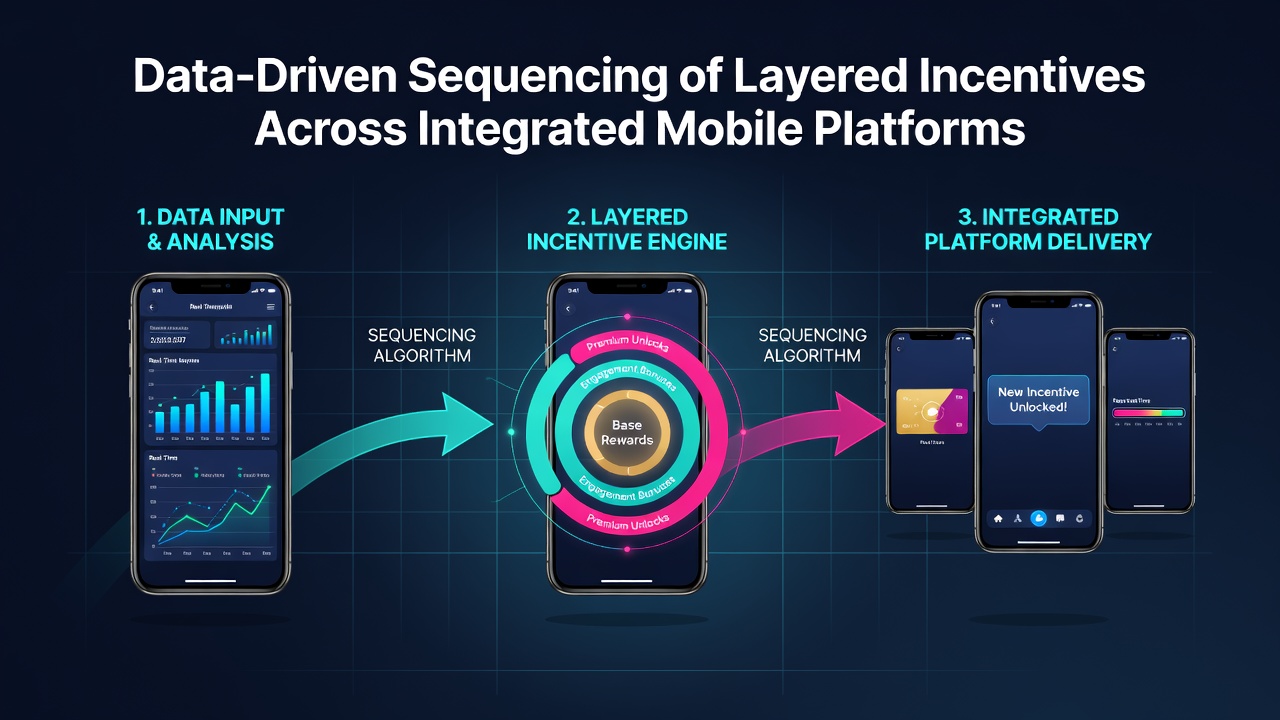
Operators across integrated mobile platforms have turned to data sequencing as a core method for managing layered incentives such as free credits, odds adjustments, and deposit-free rewards. This approach relies on real-time user metrics to determine the precise order in which offers appear, which in turn influences engagement rates and retention patterns. According to figures from the American Gaming Association, mobile-driven incentive programs accounted for over 65 percent of all promotional activity in regulated markets during the first half of 2026.
Core Components of Incentive Layering
Layered incentives combine multiple offer types into a single user journey, yet the sequence in which each layer activates matters more than the total value alone. Platforms collect data on session length, deposit frequency, and game preference before assigning the next incentive in the chain; this process reduces overlap while increasing the likelihood that users complete each stage. Observers note that systems built on predictive models can adjust sequences within milliseconds of new behavioral signals arriving from the device.
Integrated platforms further connect these sequences across sports betting modules and casino sections, allowing a user who claims an odds boost in one area to receive a complementary no-deposit slot credit in another. Data models track cross-category movement to prevent users from stalling between layers, which helps maintain momentum toward cashable outcomes.
Role of Real-Time Analytics
Analytics engines process thousands of variables per user, including time of day, device type, and previous bonus completion rates, then output an optimized order for the next incentive. Research from academic groups at institutions such as the University of Nevada, Las Vegas, has shown that sequences informed by these variables produce higher completion percentages than static promotional calendars. The models also flag when a user shows signs of disengagement, prompting an earlier low-wagering reward to re-engage the account before it goes dormant.
June 2026 marked a noticeable uptick in the adoption of these engines, as several major operators reported shifting from rule-based promotions to fully dynamic sequencing. This shift coincided with broader regulatory changes in multiple jurisdictions that placed tighter limits on total bonus exposure, forcing platforms to extract more value from each individual offer through precise ordering.
Cross-Platform Integration Challenges
Integrated mobile platforms must synchronize data streams from operating systems, payment processors, and game servers to maintain consistent sequencing logic. When a user switches from a native iOS app to an Android version mid-session, the system recalculates the remaining incentive layers using the latest telemetry to avoid repeating an offer already claimed on the first device. Those who have studied these systems emphasize that latency under 200 milliseconds is required to keep the sequence feeling seamless to the end user.
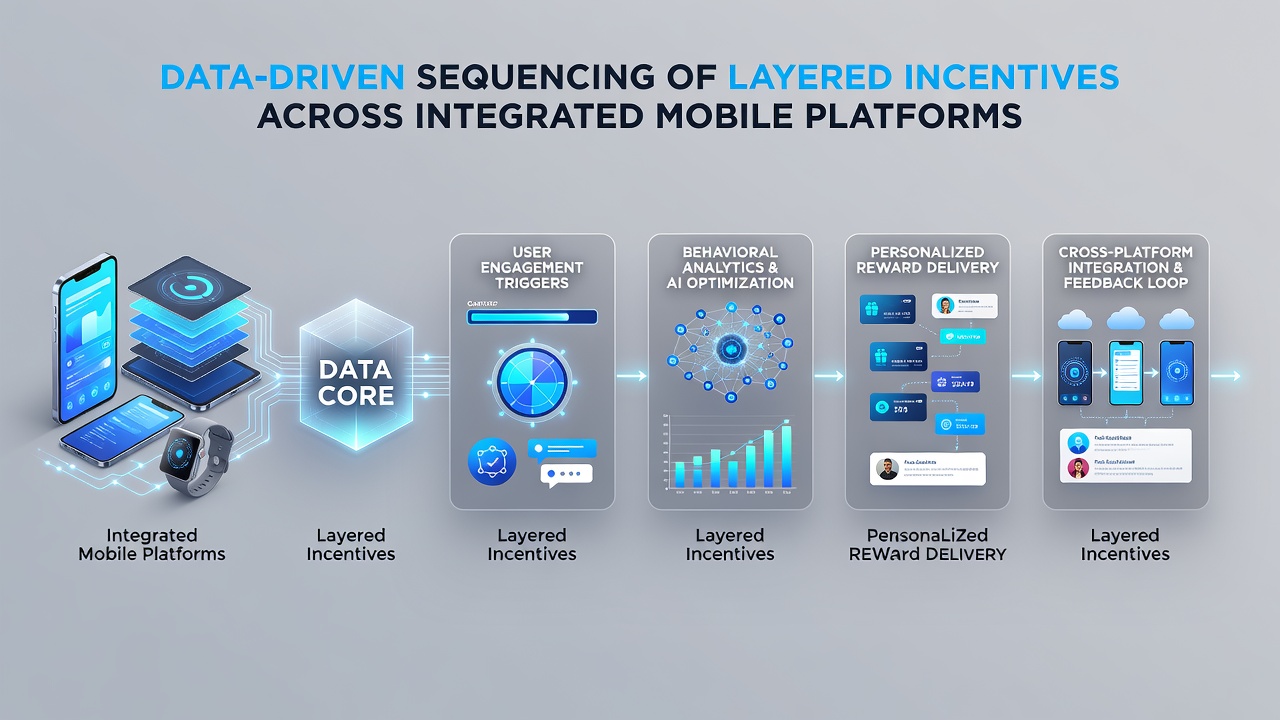
Security protocols add another layer of complexity, because sequenced incentives often involve temporary account credits that must be reconciled across databases in real time. Any mismatch can trigger compliance flags, so platforms embed verification checkpoints between each layer. Data indicates that operators who invested in unified ledgers experienced 18 percent fewer reconciliation errors during the spring of 2026 compared with those using separate systems for betting and casino rewards.
Measuring Sequence Effectiveness
Key performance indicators for sequenced incentives include completion rate per layer, time between claims, and net revenue generated after all wagering conditions are met. Platforms compare these metrics against control groups that receive randomized offer orders, allowing analysts to quantify the lift produced by data-driven sequencing. Reports compiled by the Canadian Gaming Association reveal that sequenced campaigns in 2025 delivered an average 23 percent improvement in completion rates over non-sequenced equivalents.
Additional testing examines how geographic and demographic factors interact with sequence order. For example, users in regions with higher average session lengths respond better when deposit-free rewards appear after an initial odds boost, whereas shorter-session markets benefit from the reverse order. Continuous A/B testing refines these regional rules without requiring manual intervention from marketing teams.
Future Developments in Incentive Sequencing
Advances in machine learning are expected to incorporate external signals such as live event data and social sentiment into sequence decisions, further personalizing the order of layered incentives. Early pilots conducted in Australia during late 2025 demonstrated that models using these additional inputs could predict the optimal timing for each layer with 87 percent accuracy. As more jurisdictions adopt similar data standards, operators anticipate wider deployment of these enhanced sequencing tools by the close of 2026.
Conclusion
Data-driven sequencing of layered incentives has become a standard operational practice on integrated mobile platforms, supported by measurable improvements in completion rates and cross-category engagement. The combination of real-time analytics, unified data infrastructure, and ongoing regional testing continues to shape how operators present free credits, odds adjustments, and deposit-free rewards to users. As these systems mature, the emphasis remains on precise ordering rather than simply increasing total promotional value.