Engagement Analytics for Integrated Promotional Packages in Digital Betting Ecosystems
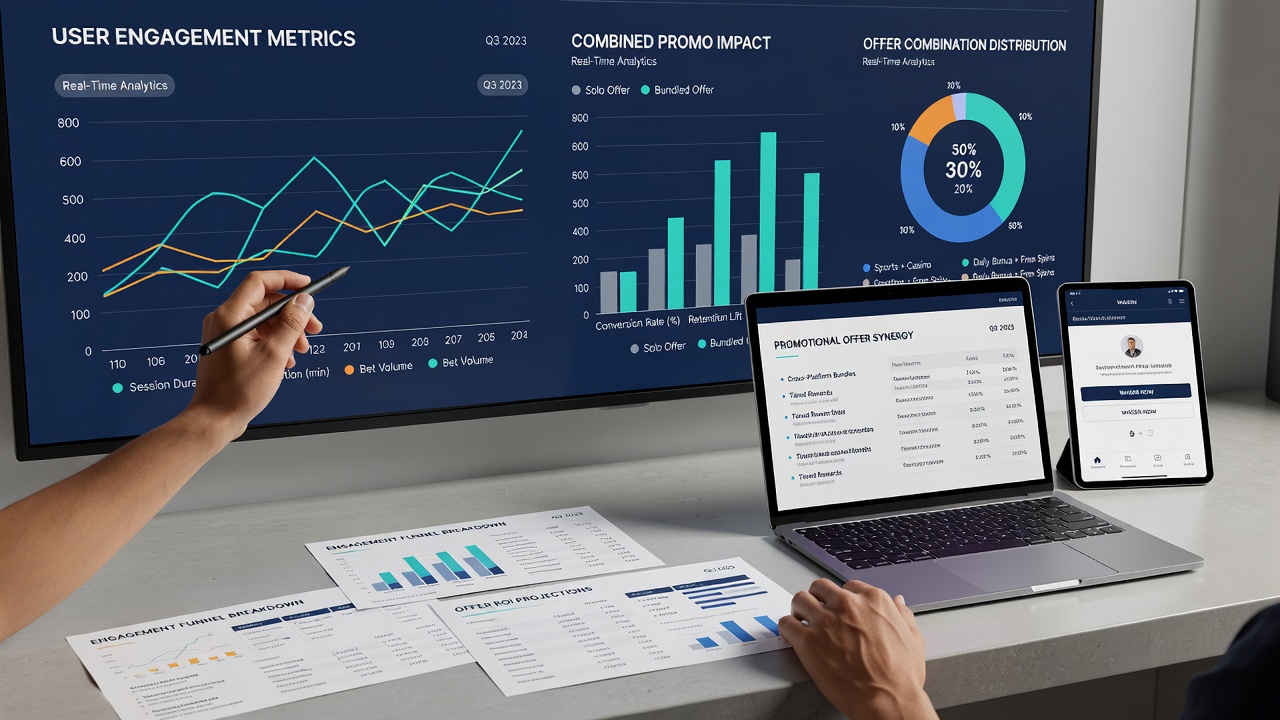
Digital wagering platforms have expanded their use of combined promotional offers that bundle free bets, odds boosts, and no-deposit casino rewards into single user journeys, and analysts now track how these packages influence player behavior over time. Researchers measure engagement through metrics such as daily active users, session length, bonus claim rates, and completion of associated wagering requirements, while data from industry reports shows that these layered incentives can increase initial interactions by 25 to 40 percent in the first month after rollout.
Core Metrics That Reveal User Response Patterns
Analysts focus on several primary indicators when evaluating how users respond to merged promotions. Session duration often rises when players combine a free bet with an odds boost because the dual elements encourage longer exploration of markets, whereas retention rates after 30 days depend on how quickly users complete the linked wagering thresholds. Conversion from claim to active wagering stands as another key figure, and studies indicate that packages requiring under 10 times playthrough see higher completion rates than those with steeper demands.
Click-through data from promotional notifications further highlights engagement differences, since users who receive personalized bundles based on past activity tend to open messages at rates 15 percent above generic blasts. Observers note that time-to-first-wager after claiming a combined offer serves as a strong predictor of longer-term activity, with many platforms reporting averages under four hours for successful bundles.
Tools and Methods for Measurement
Platforms rely on integrated analytics suites that pull real-time data from mobile app events and server-side tracking to monitor each stage of a promotional chain. These systems segment users by acquisition channel, bonus type, and device, allowing teams to compare performance across groups while accounting for external factors such as seasonal events or new game releases. In July 2026, several operators updated their dashboards to incorporate predictive models that forecast retention drops when combined offers exceed certain complexity thresholds.
Heatmap analysis of in-app navigation shows where users pause during the redemption process, and this information helps refine the sequencing of free bet activation followed by casino slot perks. A report from the New Jersey Division of Gaming Enforcement outlines how regulatory reporting now includes aggregate engagement figures for multi-tier promotions, giving operators standardized benchmarks across regions.
Regional Variations and Platform Comparisons
Engagement patterns differ by market, with Australian operators reporting stronger uptake of combined offers that pair sports boosts with poker freerolls, according to data compiled by the Australian Gambling Research Centre. European platforms, by contrast, observe higher session counts when no-deposit casino elements accompany odds enhancements, yet they also record faster drop-off once initial bonuses expire. These geographic differences guide developers in tailoring bundle structures rather than applying uniform global strategies.
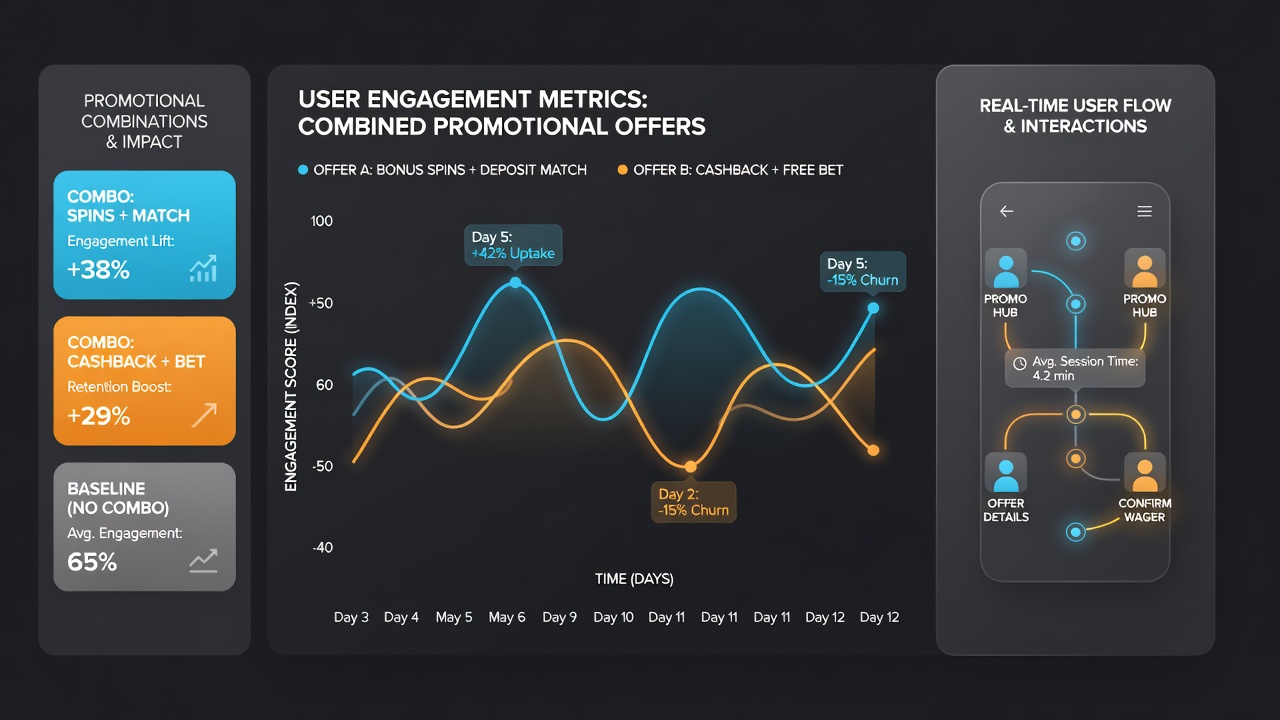
One case involved a mid-sized operator that layered three incentive types and tracked a 32 percent lift in seven-day retention compared with single-offer campaigns, while another platform saw minimal gains because the combined requirements created friction during the claim flow. Researchers continue to examine these outcomes to identify which metric clusters best predict sustained activity beyond the promotional window.
Challenges in Data Interpretation
Attribution remains complex when users interact with multiple promotions simultaneously, because overlapping claims can inflate apparent engagement without reflecting true incremental value. Analysts therefore apply cohort analysis that isolates groups based on first interaction date and promotion exposure, which clarifies whether lifts stem from the bundle itself or from broader platform improvements. External events, including major sporting tournaments or regulatory announcements around July 2026, also require adjustment in baseline calculations to avoid misreading temporary spikes.
Future Directions for Metric Refinement
Developers are integrating machine learning models that adjust promotional combinations in real time based on live engagement signals, such as declining session times or incomplete wagering progress. These systems aim to surface alternative bundles before users disengage, and early tests show modest improvements in completion rates. Academic work from institutions studying behavioral economics continues to supply frameworks for weighting different metrics, ensuring that retention and revenue indicators receive appropriate emphasis alongside acquisition volume.
Conclusion
Analysis of user engagement metrics for combined promotional offers provides operators with actionable visibility into how layered incentives shape behavior across digital wagering applications. By focusing on claim rates, session patterns, and retention curves while accounting for regional and temporal variables, platforms refine their approaches and maintain compliance with evolving oversight standards. Continued refinement of these measurement techniques supports more precise evaluation of promotional effectiveness as the sector advances into subsequent reporting periods.