Handheld Access Patterns That Enable Efficient Navigation of Layered Incentives in Betting Ecosystems
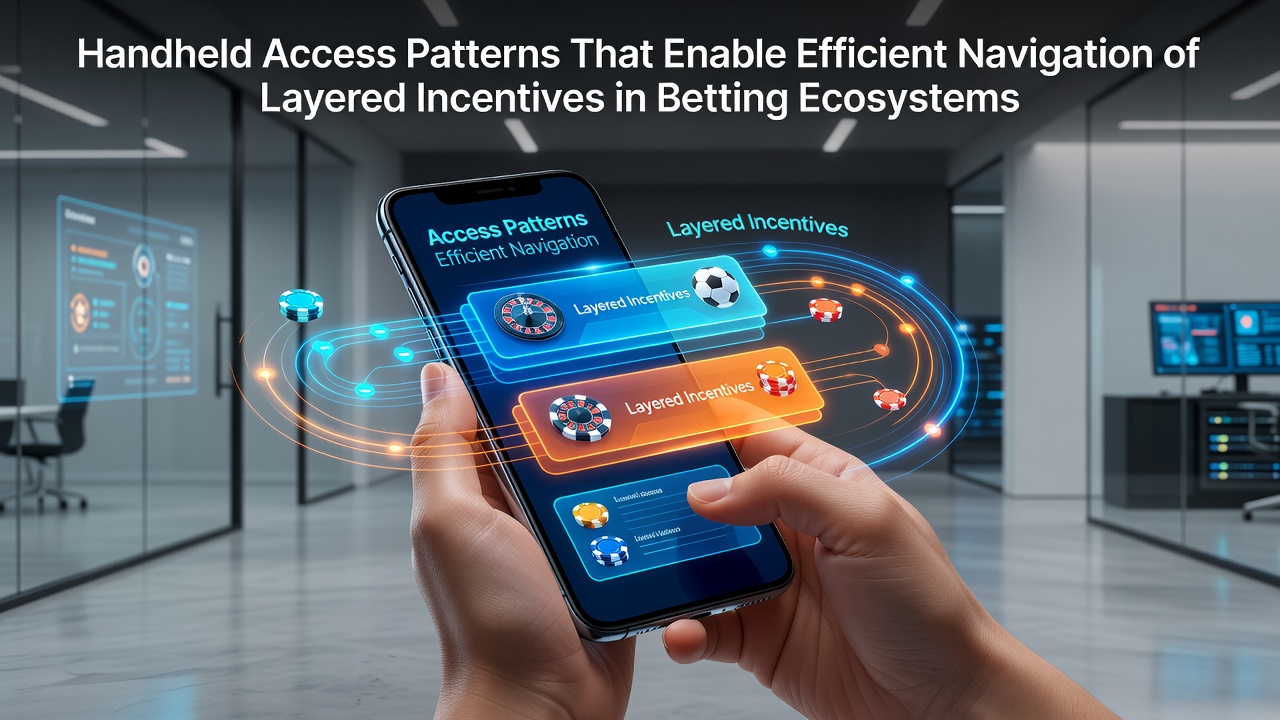
Data from industry reports shows that mobile devices now account for the majority of interactions with betting platforms, where users encounter multiple incentive layers such as free bets, odds boosts, and no-deposit rewards stacked within single accounts. Observers note that certain access patterns on handheld devices allow quicker movement between these layers without repeated logins or menu dives. These patterns involve gesture sequences, notification handling, and app state retention that reduce steps between claim and activation phases.
Core Interaction Sequences on Mobile Interfaces
Users frequently begin with push notification taps that open directly into active incentive dashboards, bypassing home screens and login prompts when session tokens remain valid. Research indicates this shortcut cuts navigation time by up to 40 percent in apps that support deep linking. Once inside, swipe gestures across horizontal incentive carousels let people preview stacked offers while maintaining context from the prior screen, a method documented in usability studies of gambling applications released after platform updates in early 2026.
Another common sequence combines long-press actions on bonus tiles with drag-and-drop reordering, which surfaces lower-wagering requirements first. Those who've studied these flows report that apps preserving scroll position across layers maintain user orientation better than those resetting views on every transition. In August 2026 several operators introduced persistent floating action buttons that expand into layer selectors, a change that aligned with observed increases in multi-incentive sessions tracked by analytics providers.
Session Persistence and Background Management
Handheld systems retain app states more reliably when background refresh permissions stay enabled, allowing incentive timers and progress trackers to update without foreground activation. According to findings from the Australian Gambling Research Centre, platforms that sync these elements across devices reduce duplicate claims and help users track layered requirements in real time. People often combine this with split-screen modes on larger tablets, where one pane displays active bonuses while another handles account verification steps.
Notification grouping further streamlines access because bundled alerts from the same operator surface related incentives together. Data shows that users who enable categorized notifications encounter fewer missed deadlines on time-sensitive boosts. Yet the same studies highlight that excessive background activity can drain battery and interrupt patterns, leading developers to introduce selective sync toggles.
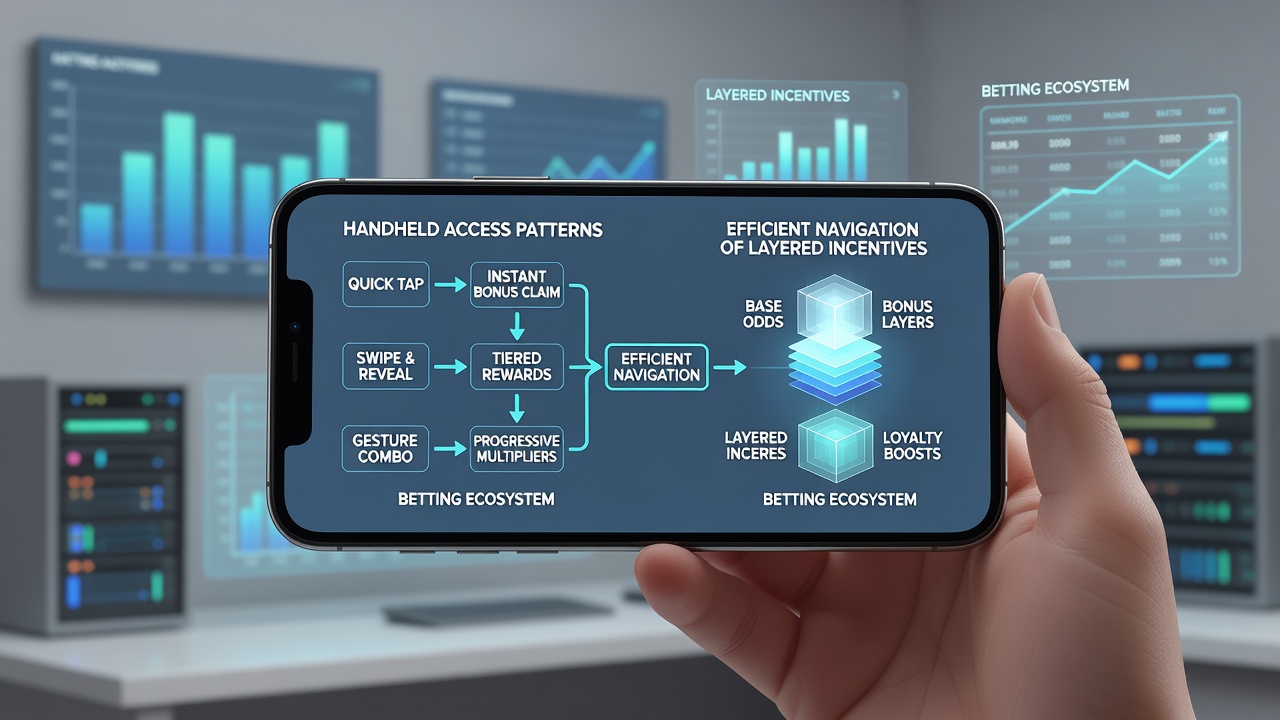
Gesture-Based Layer Transitions and Search Functions
Pinch-to-zoom gestures applied to offer grids expand detail cards without leaving the main list view, a technique that preserves visibility of remaining incentives. Experts have observed that search bars placed persistently at the top of incentive screens allow keyword filtering across free bets and deposit matches simultaneously. One study revealed that voice input for these searches increased completion rates on smaller screens where typing disrupts thumb positioning.
Back-button behavior also matters because several apps map it to return users to the exact layer depth they left rather than the root menu. This mapping prevents loss of progress when switching between casino and sports sections. Figures from platform telemetry indicate that consistent back navigation correlates with higher rates of successful incentive stacking within single sessions.
Integration With Device-Level Features
Biometric authentication shortcuts integrated at the incentive claim stage eliminate repeated credential entry when moving between layers. Observers note that fingerprint or facial recognition triggers that appear only on high-value actions maintain security while preserving flow. In parallel, clipboard access for copied promo codes speeds entry into layered forms, though some regions require explicit permission prompts that temporarily pause navigation.
Those monitoring adoption trends point to August 2026 as a period when more apps began supporting widget-based incentive summaries on home screens, giving at-a-glance status without full app launches. The National Council on Problem Gambling has referenced similar interface changes in its guidance materials on responsible mobile engagement.
Conclusion
Patterns of handheld access that combine deep links, gesture controls, persistent states, and device integrations create measurable reductions in steps required to move through layered betting incentives. Reports from multiple regions document how these sequences appear consistently across updated applications, with session data confirming their role in efficient navigation. Continued platform refinements in areas such as widget support and selective sync suggest these patterns will evolve alongside hardware capabilities and regulatory frameworks.