Layered Incentive Structures in Mobile Betting Applications Facilitate Faster Fulfillment of Wagering Conditions
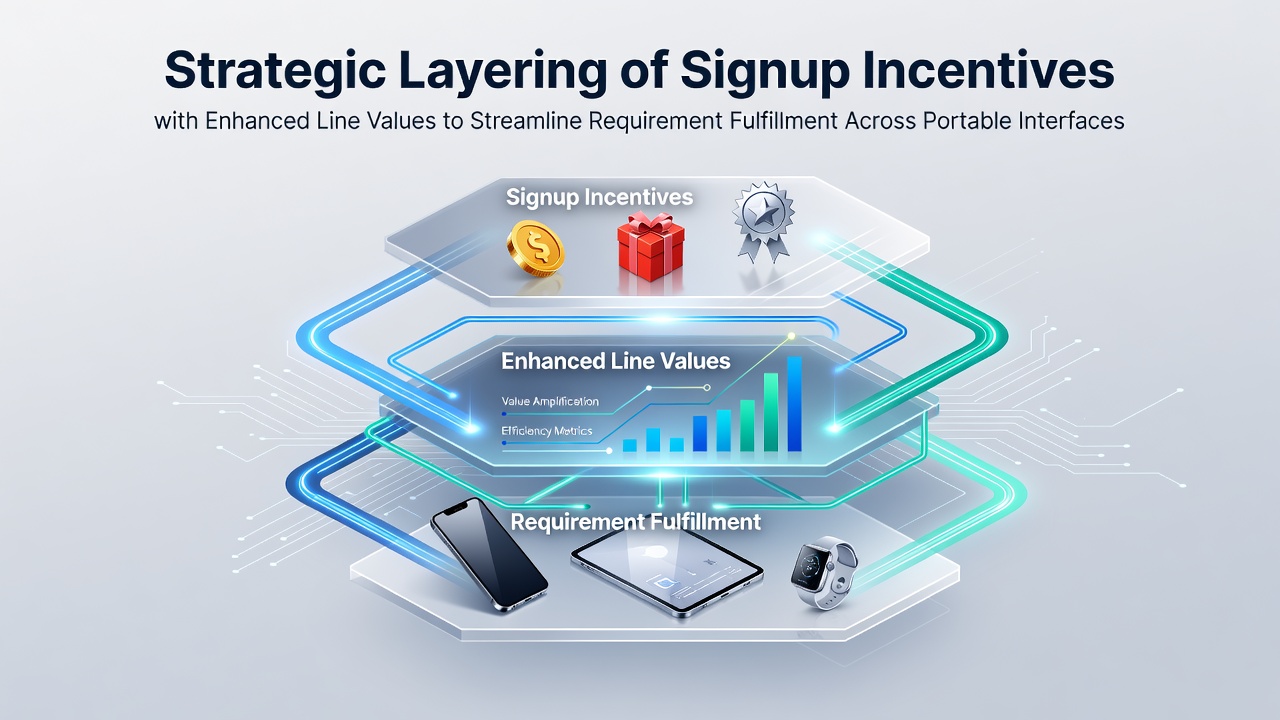
Operators across portable platforms have developed methods that combine multiple signup incentives with adjusted line values, and these approaches allow users to address wagering conditions through coordinated steps rather than isolated actions, while data from industry reports indicate that such combinations appear in numerous applications during periods of regulatory adjustment including those observed around June 2026.
Core Elements of Layered Signup Approaches
Signup incentives typically include deposit matches, free bet credits, and occasional no-deposit rewards, yet when these elements receive strategic placement alongside enhanced line values such as boosted odds on selected markets or adjusted point spreads, the overall structure supports more direct progress toward requirement completion, and researchers from academic institutions have documented similar patterns in mobile gambling interfaces where users activate several offers within a single session.
Portable interfaces present unique constraints because screen size limits simultaneous visibility of terms, so developers incorporate progressive prompts that guide activation sequences, and this design reduces the steps needed to align different incentive types with their corresponding wagering multipliers. One case examined by analysts showed that applications using sequential claim flows recorded higher rates of requirement fulfillment compared to those presenting all offers at once.
Role of Enhanced Line Values in Requirement Management
Enhanced line values function as multipliers on standard betting options, which means a user can apply a free bet credit to a line that already carries an elevated payout potential, and this interaction effectively compresses the volume of activity required to clear conditions, while figures from trade associations reveal that operators introduced such enhancements more frequently after tax changes took effect in early 2026.
Users often discover that matching a no-deposit reward with an enhanced line on a low-variance market allows the generated returns to contribute directly toward the next incentive layer, and this chaining occurs within the same application session because mobile systems track balances across categories in real time. Observers note that platforms incorporating these mechanics report fewer abandoned sessions during the fulfillment phase.
Implementation Across Different Regions
Regulatory environments influence how these layered systems operate, and authorities in various jurisdictions have issued guidelines that affect the visibility and stacking rules for incentives, yet mobile operators adapt by embedding compliance checks into the interface itself. A report from teh Nevada Gaming Control Board highlighted similar adaptations in North American applications where line enhancements were calibrated to meet both operator and regulatory thresholds simultaneously.
European markets have shown parallel developments, and industry organizations such as the European Gaming and Betting Association have compiled data indicating that portable platforms using integrated incentive layers experienced steadier user retention during periods of increased taxation. Applications in these regions often display remaining requirement progress through persistent dashboard elements that update after each completed bet or spin.
Technical Considerations for Portable Interfaces
Developers must account for variable network conditions when designing layered systems because interrupted sessions can reset partial progress if synchronization fails, and many applications now use local storage to preserve claim states until reconnection occurs. This approach maintains continuity across the incentive stack while preserving the enhanced values attached to specific lines.
Security protocols also play a part since each layer requires verification of user eligibility, and systems that integrate these checks into a unified flow reduce the number of separate authentication events. Data from university-led studies on mobile transaction security confirm that consolidated verification steps correlate with lower error rates during bonus activation sequences.
Observed Patterns in User Progression
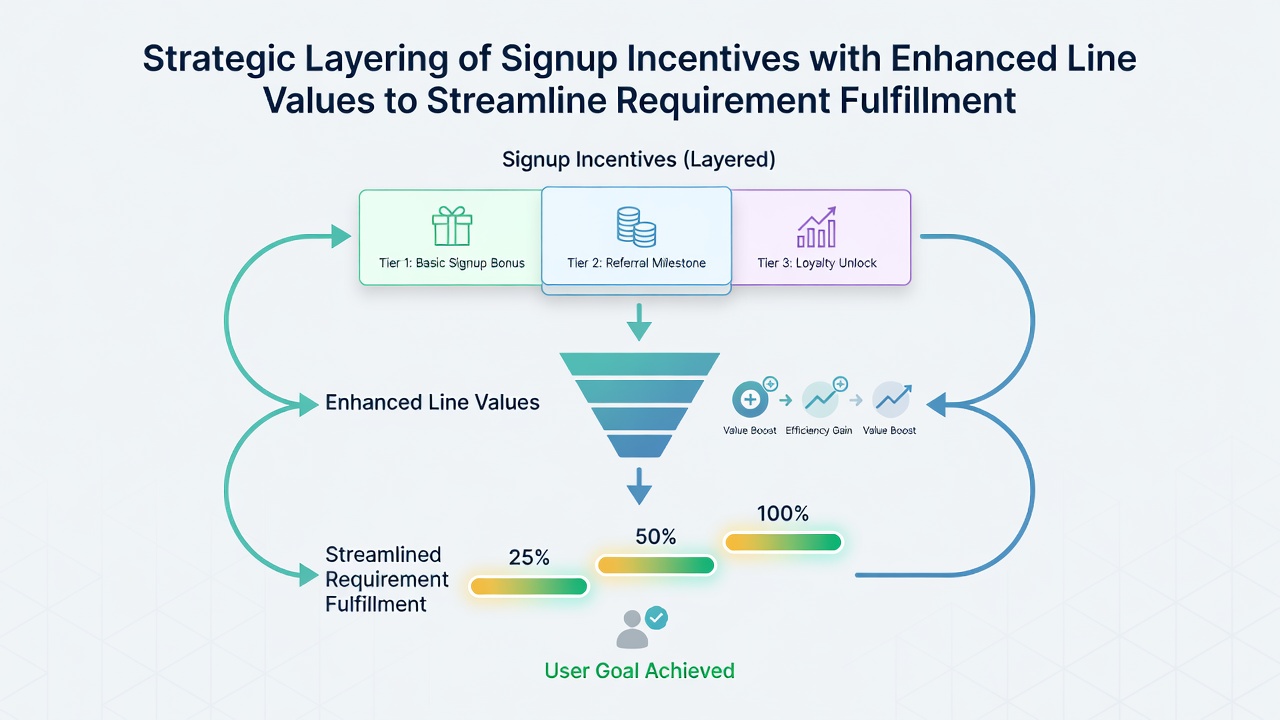
Tracking data collected by platform analytics teams shows that users who engage layered incentives in a deliberate order reach cashout eligibility sooner than those who claim offers randomly, and this pattern holds across different device types. The sequence often begins with the lowest multiplier requirement before moving to higher-value layers that carry enhanced lines, allowing returns to offset subsequent conditions without additional deposits.
Applications that surface suggested sequences through in-app guidance have recorded measurable differences in completion times, and these differences become more pronounced when enhanced line availability aligns with active promotions. Trade publications have documented cases where operators adjusted line values dynamically based on remaining requirement balances to encourage continued engagement within the same mobile session.
Conclusion
Strategic layering of signup incentives with enhanced line values continues to evolve as mobile platforms refine their interfaces to support efficient requirement fulfillment, and available data from regulatory bodies and research institutions indicate that these methods appear consistently across regions despite varying local rules. Operators maintain these structures by monitoring performance metrics and adjusting sequences to match both user behavior and external requirements, which sustains the functionality of portable systems through ongoing market changes.