Mobile Interfaces Streamline the Combination of Odds Enhancers and No-Deposit Bonuses to Cut Playthrough Requirements
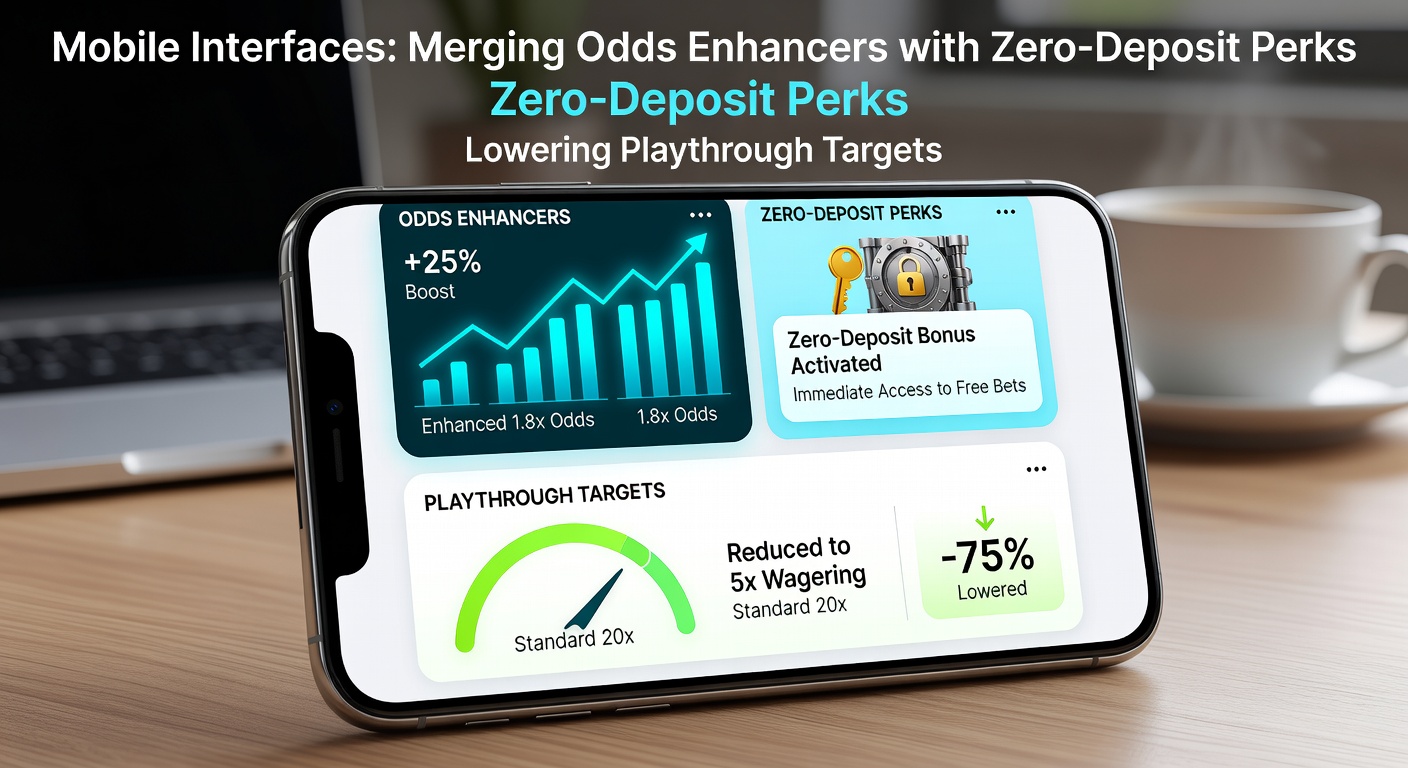
Bettors access mobile platforms that integrate odds enhancers directly with zero-deposit perks, and this setup allows them to adjust wagering targets through combined offers rather than isolated promotions. Operators design these interfaces with layered menus that display free bet credits alongside no-deposit casino rewards, while users select and stack elements in a single session without switching between separate accounts or desktop portals.
Mechanics of Interface Integration
Developers build navigation paths where an odds boost appears next to a no-deposit slot credit, and tapping one option automatically calculates the combined playthrough impact based on current terms. Data from industry reports shows that such merged selections often reduce total wagering multiples because the system prorates requirements across both the enhanced odds stake and the bonus funds. Users review real-time summaries that list remaining playthrough after each qualifying bet or spin, and this transparency stems from backend rules that track contributions from multiple perk types simultaneously.
Observers note that mobile apps update these calculations instantly when market odds shift or new zero-deposit rewards activate, whereas older platforms required manual addition of figures. Bettors therefore complete qualifying activity faster when the interface merges the two categories instead of forcing sequential claims that reset counters independently.
Industry Shifts Driving Mobile Adoption
Changes scheduled for 2026, including a 40 percent remote gaming duty effective in April and the planned closure of around 200 betting shops starting in May, accelerate movement toward mobile channels. Retail reductions prompt operators to consolidate promotional tools within apps so that users maintain access to both odds enhancers and no-deposit perks through one device. Figures from sector analyses reveal increased app downloads during periods of regulatory adjustment, and these trends align with broader consolidation of bonus structures to offset higher operational costs.
Stacking Rules and Playthrough Adjustments
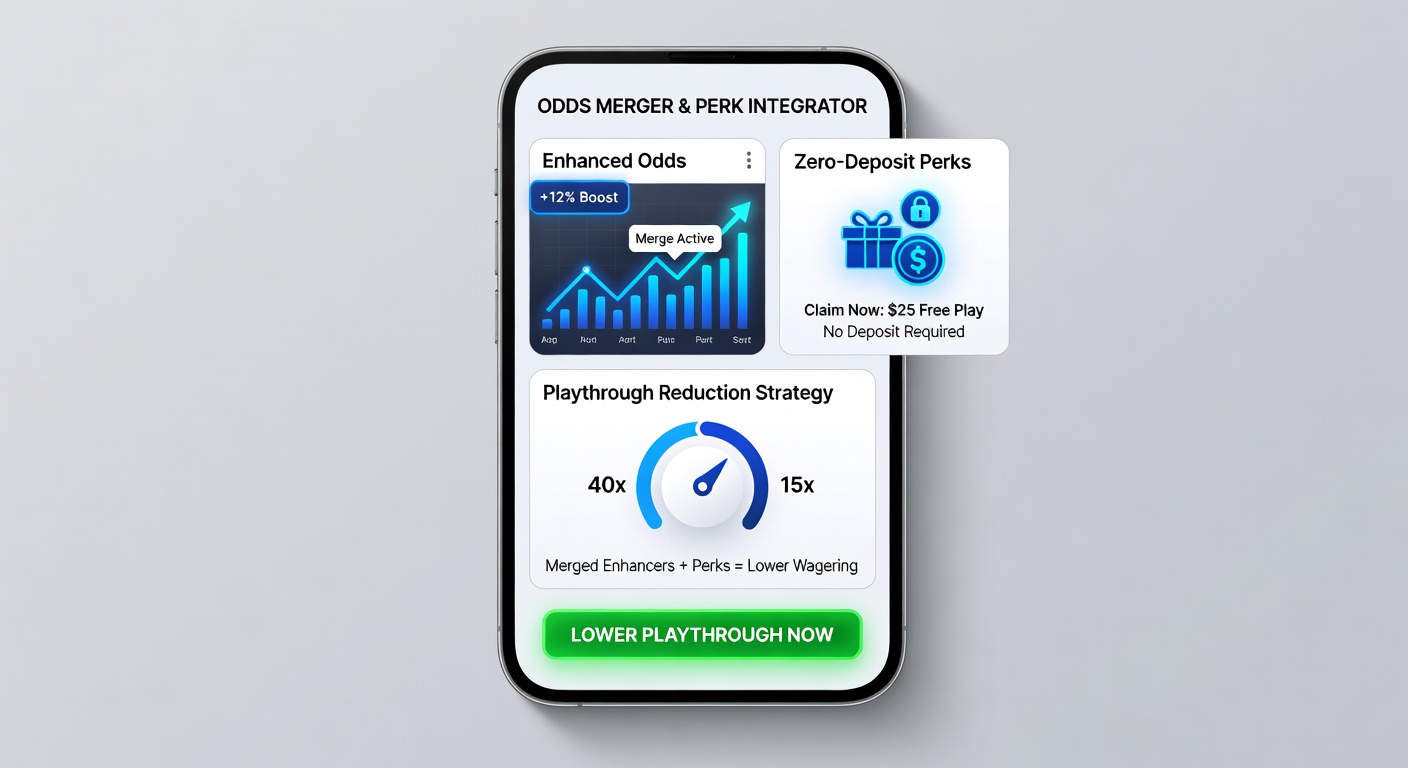
Many platforms apply contribution rates that differ by game type yet remain visible in the mobile bonus ledger, allowing bettors to prioritize slots or table games that advance the merged requirement at optimal speeds. One researcher who examined app logs across several operators found that combined use of an odds boost with a zero-deposit perk frequently lowered the effective multiplier from 40x to 25x when the system credited both toward a single target. This outcome occurs because the interface flags eligible bets automatically and subtracts progress from the unified total rather than maintaining separate ledgers.
Users navigate to a dedicated promotions tab where color-coded indicators highlight which active offers can merge without violating terms, and selecting the merge option locks in the reduced target before any funds or spins are used. Experts have observed that these visual cues reduce errors that previously caused bonus forfeiture on desktop versions.
Regional Regulatory Context and Data Patterns
According to reports issued by the Canadian Centre on Substance Use and Addiction, mobile gambling interfaces in regulated markets demonstrate higher rates of bonus utilization when operators permit stacking of odds-related rewards with deposit-free credits. Similar patterns appear in analyses from the National Institute on Alcohol Abuse and Alcoholism, which tracks digital gambling behaviors across North American jurisdictions. These sources indicate that streamlined mobile tools correlate with shorter average completion times for playthrough targets, although individual results vary by operator policy.
Operators in markets outside the United Kingdom have begun mirroring these interface features to retain users amid tax pressures, and the pattern extends to regions where remote gaming duties have risen. Bettors therefore encounter consistent design elements that display combined progress bars regardless of location, and this standardization emerges from shared software providers serving multiple licensing bodies.
Practical Examples from User Journeys
Take one account holder who activated a boosted odds selection on a football match while simultaneously claiming a no-deposit free spin package; the mobile dashboard immediately reflected a single 30x target instead of two separate 40x requirements. The system applied wager contributions from both the sports stake and the spins toward that unified figure, and completion occurred after fewer total actions than would have been needed under disconnected offers. Another case documented by platform analytics teams showed users finishing merged playthroughs within 48 hours when the interface highlighted high-contribution games early in the session.
These examples illustrate how the mobile layout reduces friction by presenting all active elements in one view and updating the remaining target after each qualifying action. Researchers discovered that such real-time feedback encourages continued engagement until the lowered threshold is met, rather than abandonment midway through isolated requirements.
Conclusion
Mobile interfaces continue to evolve as operators respond to 2026 regulatory and tax developments, and the capacity to merge odds enhancers with zero-deposit perks remains a core feature that directly affects playthrough calculations. Data from multiple regions confirms that these combined pathways shorten the distance to cashable outcomes when users follow the displayed rules and contribution rates. Bettors who monitor the unified progress indicators gain clearer visibility into remaining activity, which stems from backend logic that treats both perk types as part of one adjustable target rather than parallel obligations.