Navigating Algorithm-Driven Promotions: Optimizing Free Incentives Through Behavioral Patterns in Mobile Platforms
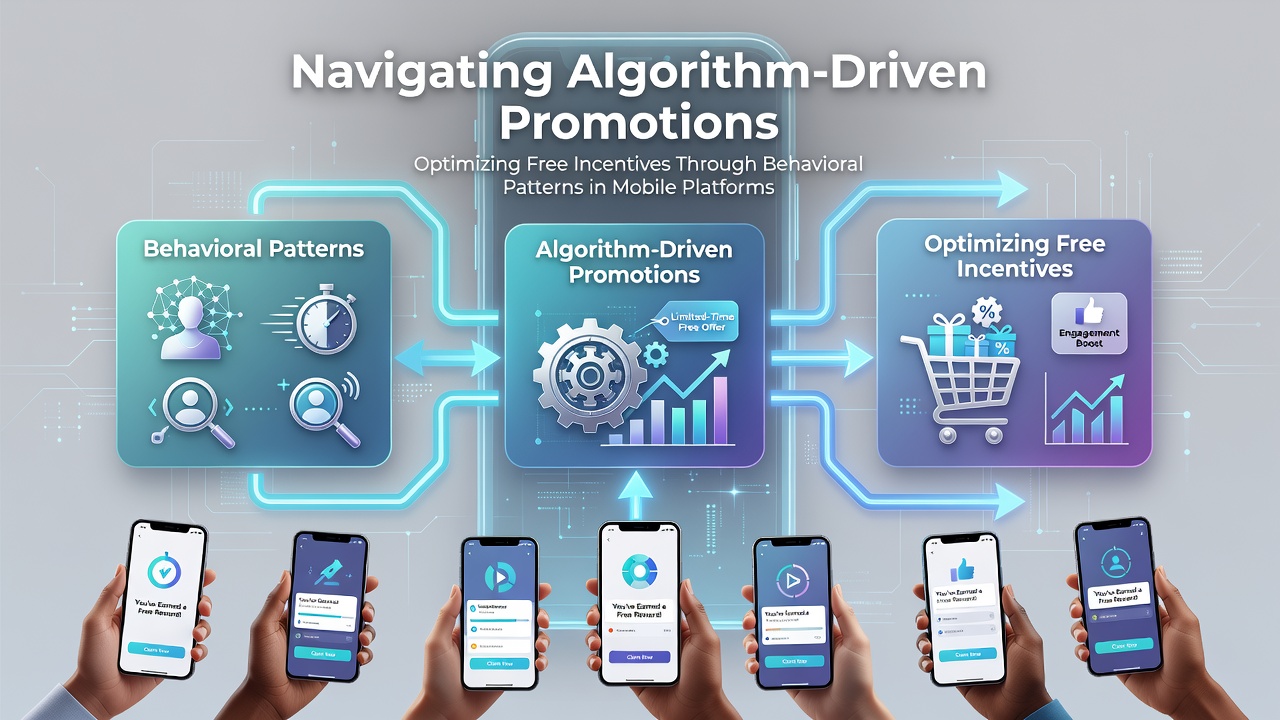
Mobile platforms deploy algorithms that analyze user interactions to deliver targeted free incentives, and these systems draw on extensive datasets including session duration, click sequences, and navigation paths to identify patterns that predict engagement levels. Developers at companies operating major apps collect this information in real time, then adjust offer frequency and value to match observed behaviors such as repeated browsing of specific categories or extended time spent in certain sections of an application.
Data Collection Mechanisms in Mobile Ecosystems
Applications gather signals through device sensors, account activity logs, and in-app events, then feed these into machine learning models that segment users into groups with similar response histories. Research from academic institutions shows that patterns like evening logins combined with high scroll rates often trigger notifications for free trial extensions in subscription services, whereas sporadic daytime usage correlates with smaller one-time credits in e-commerce apps. Those who study mobile analytics note that platforms refine these models continuously by comparing predicted outcomes against actual redemption rates, which allows the systems to increase precision over successive update cycles.
Behavioral clusters emerge when algorithms detect correlations between actions such as abandoning a cart after viewing shipping details and subsequent offers of free delivery thresholds. In practice, the models assign probability scores to each user profile, and higher scores lead to more generous incentives designed to convert hesitation into completed transactions. Observers tracking platform updates report that these adjustments occur automatically, often within hours of new data inflows, creating dynamic environments where the same user might receive different offers on consecutive days based solely on minor shifts in activity.
Pattern Recognition and Incentive Calibration
Algorithms identify recurring sequences such as multiple visits to a rewards page followed by partial completion of a profile, then respond with tailored free credits that address the specific friction point. Data indicates that users exhibiting consistent daily check-ins receive escalating incentives, while those with irregular patterns encounter offers calibrated to re-engage them at lower initial values. This calibration process relies on historical benchmarks drawn from millions of sessions, allowing platforms to test variations across controlled user cohorts before full deployment.
One documented approach involves layering incentives according to detected loyalty signals, where long-term users who maintain steady interaction volumes unlock access to premium free features ahead of newer accounts. Figures from industry reports reveal that platforms achieving higher redemption rates adjust their algorithms to prioritize behavioral indicators like in-app search queries over simple login frequency. The result is a feedback loop in which successful optimizations reinforce the underlying models, and unsuccessful variants receive reduced exposure in subsequent iterations.

Regional Regulatory Influences on Algorithmic Practices
Regulatory frameworks in multiple jurisdictions shape how platforms may leverage behavioral data for promotion delivery. Australian authorities have issued guidelines requiring transparency around automated decision-making in consumer applications, and similar provisions appear in Canadian digital commerce regulations updated in early 2026. Platforms operating across borders adapt their algorithms to comply with the strictest applicable rules, which sometimes results in differentiated incentive structures for users in different regions even when behavioral patterns appear identical.
Developments scheduled for June 2026 include expanded reporting requirements from the Australian Competition and Consumer Commission concerning algorithmic fairness in promotional targeting. These requirements compel companies to document the criteria used to distribute free incentives, prompting many operators to publish simplified explanations within their applications. Parallel updates in European data protection guidance emphasize user consent mechanisms that directly affect the granularity of behavioral tracking available to promotion engines.
Optimization Strategies Observed Across Platforms
Users who maintain consistent interaction patterns often encounter optimized sequences where small initial incentives precede larger offers once the algorithm confirms sustained engagement. Studies conducted by research teams at major universities demonstrate that timing plays a central role, with incentives delivered immediately after detected drops in activity producing higher response rates than those sent during peak usage periods. Platforms incorporate these findings by scheduling automated pushes according to individual behavioral rhythms rather than fixed calendar times.
Cross-platform data sharing agreements allow some operators to combine signals from multiple applications, creating more comprehensive profiles that improve the relevance of free incentives. This practice, documented in reports from trade associations, leads to situations where a user's shopping app behavior influences the offers presented in a separate fitness tracking application. The interconnected nature of these systems means that adjustments in one environment can propagate through the network, altering the incentive landscape across several services simultaneously.
Future Trajectories in Algorithmic Promotion Design
Continued refinement of behavioral models points toward greater personalization, with platforms testing real-time adjustments based on momentary changes in user context such as location or device orientation. Evidence from pilot programs indicates that these contextual layers can increase the effectiveness of free incentives by aligning them more closely with immediate user needs. As data volumes grow, the algorithms gain capacity to distinguish between transient behaviors and stable patterns, reducing the distribution of misaligned offers that previously generated low engagement.
Industry organizations tracking these developments report ongoing investment in explainable AI techniques that allow platforms to surface the primary behavioral factors behind each incentive. This transparency effort responds to both regulatory pressure and user demand for clearer connections between actions and received benefits. The trajectory suggests that future iterations will maintain the core reliance on pattern detection while incorporating additional safeguards around data usage and offer equity.
Conclusion
Mobile platforms continue to evolve their use of algorithmic systems that map behavioral patterns to the distribution of free incentives, and these processes operate through iterative data analysis and model updates. Regulatory changes scheduled around mid-2026 introduce new documentation standards that influence how platforms present these mechanisms to users. The interplay between observed behaviors, regulatory constraints, and technical capabilities determines the structure of promotional offers across diverse application categories.