Optimizing Bonus Sequences Through In-App Tracking Tools on Digital Platforms
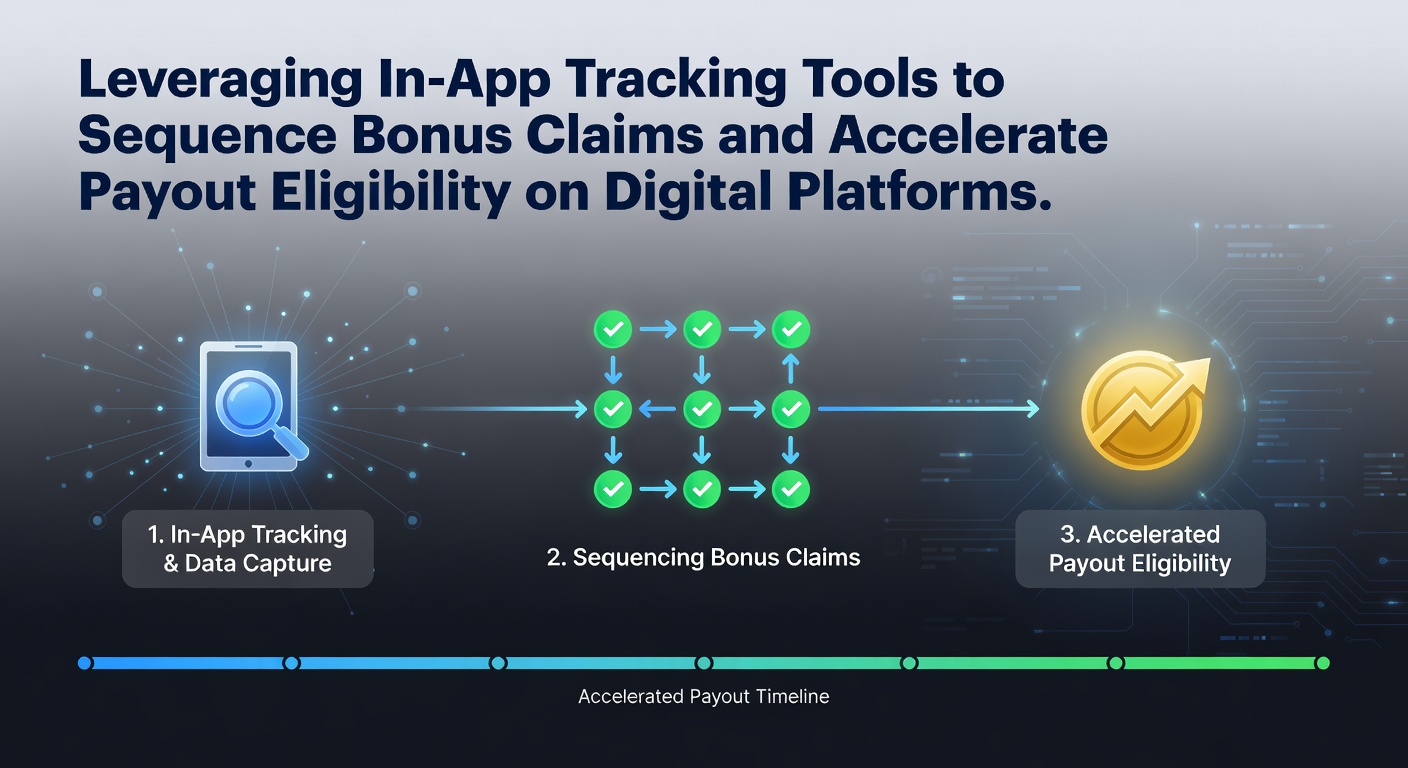
Digital platforms rely on in-app tracking tools to help users manage bonus claims in precise sequences that align with eligibility rules and speed up access to payouts, and these systems pull real-time data from user activity to map out claim orders that satisfy wagering thresholds faster than manual approaches. Research from the Interactive Games and Entertainment Association shows that platforms incorporating automated trackers reduce the average time between bonus activation and payout eligibility by coordinating free bet redemptions with deposit match requirements in layered steps.
Users start by opening the app dashboard where tracking modules log each bonus type along with its attached terms such as minimum odds or game categories, and the software then suggests an order that stacks low-wagering offers first so that subsequent claims inherit progress toward overall targets. Data indicates this sequencing prevents overlap penalties where simultaneous claims might reset counters, while the system flags any rule conflicts before they occur. Observers note that players who follow these guided sequences often complete requirements within fewer sessions because the tools monitor live balances and adjust recommendations as play progresses.
Core Mechanics of In-App Tracking for Bonus Management
Tracking tools function through embedded analytics that record every interaction from claim initiation to contribution toward wagering, and they break down complex rules into visual timelines that display remaining turnover in clear increments. Platforms integrate these features with account ledgers so that eligibility status updates automatically after each qualifying bet or spin, which removes the need for users to calculate manually. Those who have studied platform design point out that the algorithms prioritize claims with shorter time limits first, ensuring no bonus expires while others remain active and thereby maintaining momentum toward payout thresholds.
When multiple bonuses sit in an account the tracker evaluates their individual wagering multipliers and suggests combinations that share progress across related games, and this approach leverages data from past user patterns to recommend high-completion paths. Evidence suggests platforms that refine these suggestions based on aggregated anonymous data achieve higher conversion rates from claimed bonuses to withdrawn funds, since the sequence avoids common pitfalls like mismatched game contributions. In one documented workflow a user claims a no-deposit reward, routes it through tracked low-odds selections to clear initial hurdles, then activates a deposit boost whose requirements the system has already partially advanced through prior steps.
Accelerating Payout Eligibility via Real-Time Sequencing
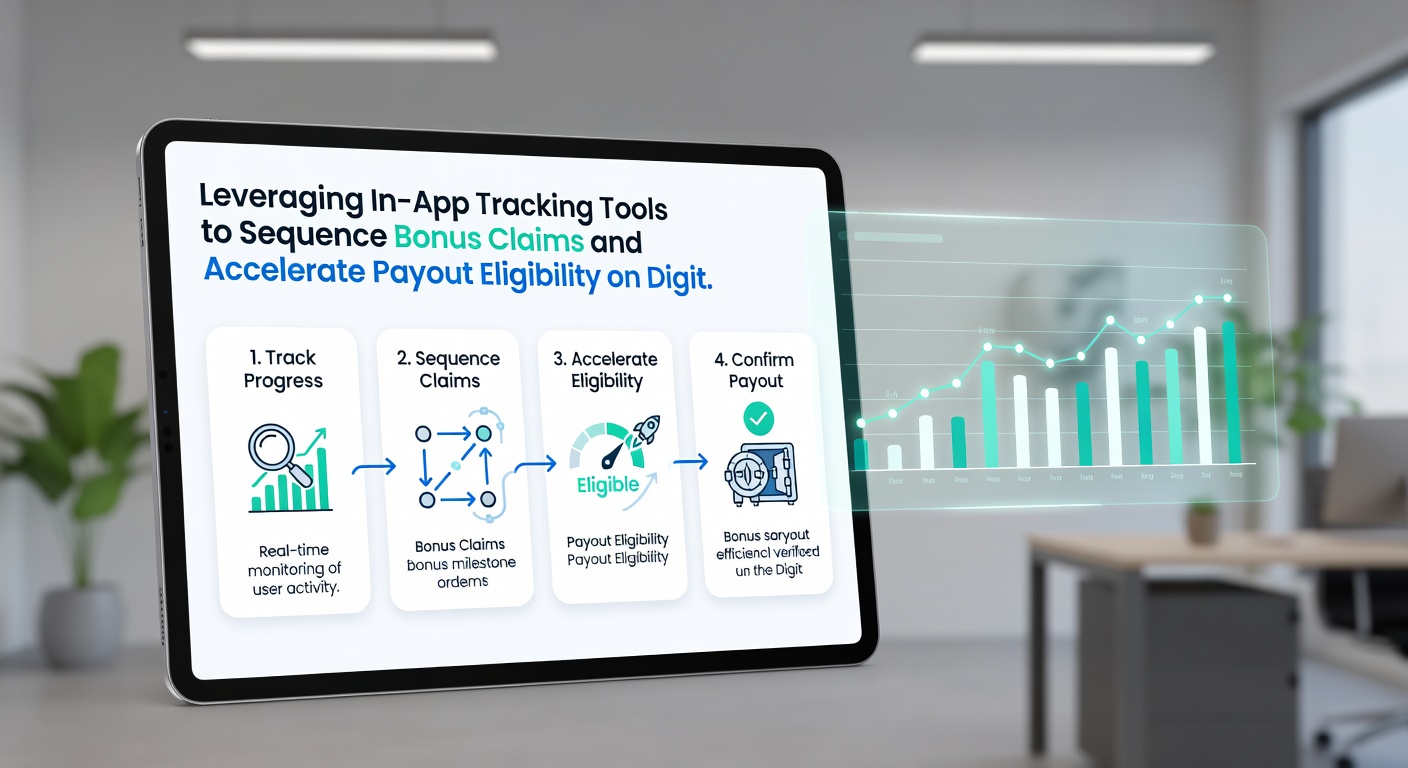
Real-time sequencing relies on continuous data feeds that recalculate eligibility after every completed action, which allows the app to shift claim order dynamically if a bonus nears its deadline or if a game category suddenly contributes more efficiently. Users receive notifications when the tracker detects an optimal window to submit the next claim, and this proactive guidance cuts idle time between steps. Figures from mobile analytics providers reveal that platforms employing such adaptive tools see payout processing times drop because completed wagering logs transfer directly to withdrawal queues without additional verification delays.
Integration with external verification systems further streamlines the process, as the in-app tracker shares verified progress data with banking modules once thresholds clear, and this handoff happens automatically rather than through separate support tickets. People who navigate these platforms regularly discover that starting with tracked free bet sequences builds early eligibility points that carry over, reducing the effective load on later deposit-linked offers. The result appears in faster account balance unlocks where funds become available for withdrawal within the same day in many documented cases.
Platform Adjustments Ahead of May 2026 Regulatory Updates
Operators prepare in-app tracking systems for anticipated rule changes scheduled around May 2026 by embedding compliance checks that automatically reorder claims to match emerging affordability and transparency standards, and these updates ensure sequences remain valid under new reporting requirements. The tools incorporate modular code that accepts fresh parameters without disrupting existing user flows, which keeps bonus acceleration features operational during the transition period. Data from industry monitoring groups indicates early adopters of these adaptable trackers maintain steady payout volumes even as verification layers increase.
Testing phases currently underway focus on cross-border consistency so that users in different regions experience the same sequencing logic regardless of local tax adjustments, and this uniformity supports broader platform stability. Those monitoring development timelines note that platforms rolling out enhanced trackers ahead of the May 2026 window report smoother audits because every bonus step generates timestamped logs that regulators can review directly from the app backend.
Practical Examples of Tracking in Action
Consider a scenario where an account holds a free spin package alongside a matched deposit bonus: the tracker identifies that spins on designated slots contribute to both offers simultaneously and therefore sequences the free spins first to maximize shared progress before the deposit funds activate. The system then confirms eligibility once the combined wagering meter reaches target, triggering an automated payout request. Similar patterns emerge in sports-focused apps where the tool sequences odds boosts around live events to align with minimum stake rules while preserving eligibility for casino crossovers.
Another workflow involves layering no-deposit rewards with loyalty multipliers, where the tracker calculates exact contribution percentages across game types and adjusts the order to hit payout thresholds in minimal rounds. Research indicates these guided paths lower user error rates because the interface highlights only compliant next steps rather than listing all options at once.
Conclusion
In-app tracking tools continue to evolve as central components for managing bonus sequences on digital platforms, delivering structured paths that convert claims into eligible payouts through automated monitoring and adaptive ordering. Platforms that maintain these systems position themselves to handle both current user demands and forthcoming regulatory shifts while preserving efficient fund access. The ongoing refinement of such tools reflects broader industry movement toward data-driven interfaces that prioritize clarity and speed in every transaction step.