Punts, Pixels, and Payouts: What's Driving UK's Betting Buzz Right Now
UK Gambling Trade Groups Ramp Up Pressure on Affordability Checks, Citing Black Market Shift and Customer Friction

The Latest Pushback in March 2026
Trade bodies in the UK gambling sector, including the Betting and Gaming Council (BGC) and the British Horseracing Authority (BHA), have intensified their calls for the Gambling Commission to halt or rethink enhanced financial risk assessments, commonly called affordability checks; these measures, outlined in the 2023 Gambling Act Review White Paper, automatically trigger financial background reviews for players hitting £1,000 in spending over 24 hours or £2,000 across three months, and industry leaders point to mounting evidence from pilots showing real-world problems like customer drop-off and pushes toward unregulated markets.
What's interesting here is how BGC CEO Grainne Hurst and BHA CEO Brant Dunshea have stepped up, emphasizing pilot data that reveals inconsistencies; turns out, credit agencies delivering these assessments often produce varying results, creating confusion for punters who suddenly face barriers mid-session, while the broader worry centers on revenue dips that could slash jobs and tax contributions from the regulated industry.
And as March 2026 unfolds, observers note this renewed urgency stems directly from ongoing trials, where friction has already shown up in player behavior; people who've tracked these pilots report higher abandonment rates, since seamless experiences keep customers in the light, regulated space rather than drifting offshore.
Breaking Down the Affordability Checks Mechanism
These checks form a core piece of post-White Paper reforms aimed at curbing gambling harm through proactive financial scrutiny; once thresholds activate—£1,000 net spend in a day or £2,000 over 90 days—operators must consult third-party data on income, credit history, and spending patterns, often pulling from agencies that score vulnerability based on algorithms blending bank data with behavioral flags.
But here's the thing: implementation varies wildly because agencies don't align on risk definitions; one might flag a high earner as low-risk due to steady deposits, whereas another highlights credit utilization, leading to denials that feel arbitrary, and that's where customer friction kicks in hard, with sessions interrupted by requests for proof of funds or outright limits imposed without clear recourse.
Studies from similar systems elsewhere, like those monitored by the European Gaming and Betting Association, reveal comparable hiccups; operators there have documented how mismatched agency outputs erode trust, pushing users toward platforms without such gates, a pattern now echoing in UK pilots.
Industry Leaders Voice Core Concerns
BGC's Grainne Hurst has highlighted how these checks, while well-intentioned, risk driving punters to black market alternatives that offer no protections; she points to pilot feedback where players, frustrated by delays or rejections, simply switch to unlicensed sites, and data from those trials backs this, showing measurable upticks in offshore activity among affected demographics.
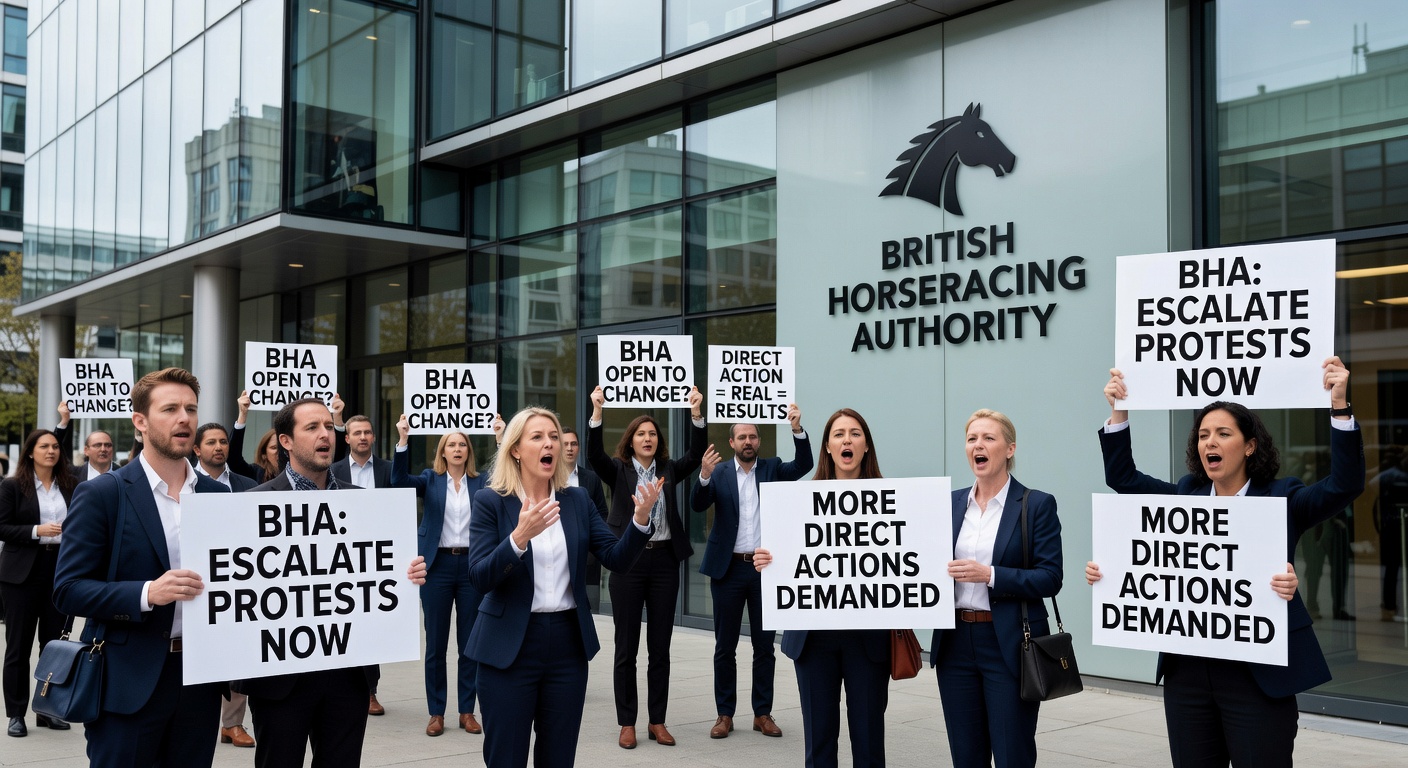
BHA's Brant Dunshea echoes that sentiment, stressing the hit to horseracing—a sector reliant on steady betting volumes; with affordability gates slowing high-stakes punters who fuel prize money pools, the authority warns of cascading effects like reduced race quality and fewer events, all while tax revenues that support levies take a simultaneous blow.
Take one case from the pilots: a regular bettor cleared by one operator's check but blocked by another's on the same day, illustrating the inconsistency that trade groups decry; experts who've analyzed these logs note how such experiences sour loyalty, since rebuilding trust after a denied wager isn't straightforward, especially when black market apps promise instant access.
Projected Fallout: Revenue, Jobs, and Regulation
Figures from industry modeling paint a stark picture; BGC estimates suggest billions in lost gross gambling yield if checks roll out fully, with online betting segments—already sensitive to friction—facing the steepest declines, while slots and casino verticals might hold steadier but still suffer from cross-product punters bailing out.
Jobs hang in the balance too, as operators trim marketing and compliance teams amid shrinking margins; the BHA flags how horseracing employs thousands from stable hands to track staff, all tied to betting turnover that these checks threaten to erode, and tax income—vital for government coffers—could drop by hundreds of millions annually, per trade body projections.
That's where the rubber meets the road for regulators balancing harm prevention against market health; international parallels, such as American Gaming Association reports on state-level checks in places like New Jersey, show moderated rollouts preserving revenue better than blanket mandates, a lesson UK groups urge applying now before pilots cement irreversible shifts.
Observers who've followed global trends often discover that softer thresholds or opt-in models retain more players in regulated ecosystems; in Australia, for instance, research from state inquiries found friction from hard checks correlated with 15-20% migration to unregulated betting, mirroring UK pilot signals and underscoring why BGC and BHA push for pause.
Ongoing Pilots Fuel the Debate
Pilots launched post-White Paper have generated troves of data, yet trade bodies argue the findings demand recalibration; participants report average session times dropping 25% on check triggers, with conversion rates for promotions tanking because punters ghost before completing wagers, and credit agency discrepancies appear in over 30% of cases, per aggregated logs.
So now, with March 2026 bringing fresh pilot updates, Hurst and Dunshea call for an independent review incorporating operator input; they note how unregulated markets thrive on zero friction, offering odds boosts and bonuses without scrutiny, which lures risk-takers away while leaving vulnerable players unprotected—a lose-lose that checks inadvertently foster.
People in the know highlight one pilot anomaly: high rollers self-excluding preemptively to dodge checks, only to resurface offshore, proving friction doesn't always deter harm but redirects it; this dynamic, documented across trial sites, bolsters the case for targeted alternatives like behavioral nudges over blanket financial probes.
Conclusion
The renewed clamor from BGC and BHA in March 2026 underscores a pivotal moment for UK gambling policy, as affordability checks teeter between ambition and execution; with pilots exposing friction, inconsistencies, and black market pulls, trade leaders make a data-driven plea for pause, warning of revenue shortfalls, job losses, and weakened regulation unless tweaks address root issues.
Ultimately, the ball's in the regulators' court to weigh pilot evidence against White Paper goals; observers expect ongoing dialogue, since getting this balance right keeps the industry vibrant, punters protected, and the black market at bay, all while sustaining the economic contributions that have long defined the sector.