Strategic Timing for Claims: Handling Expiration Windows in Mobile Reward Systems
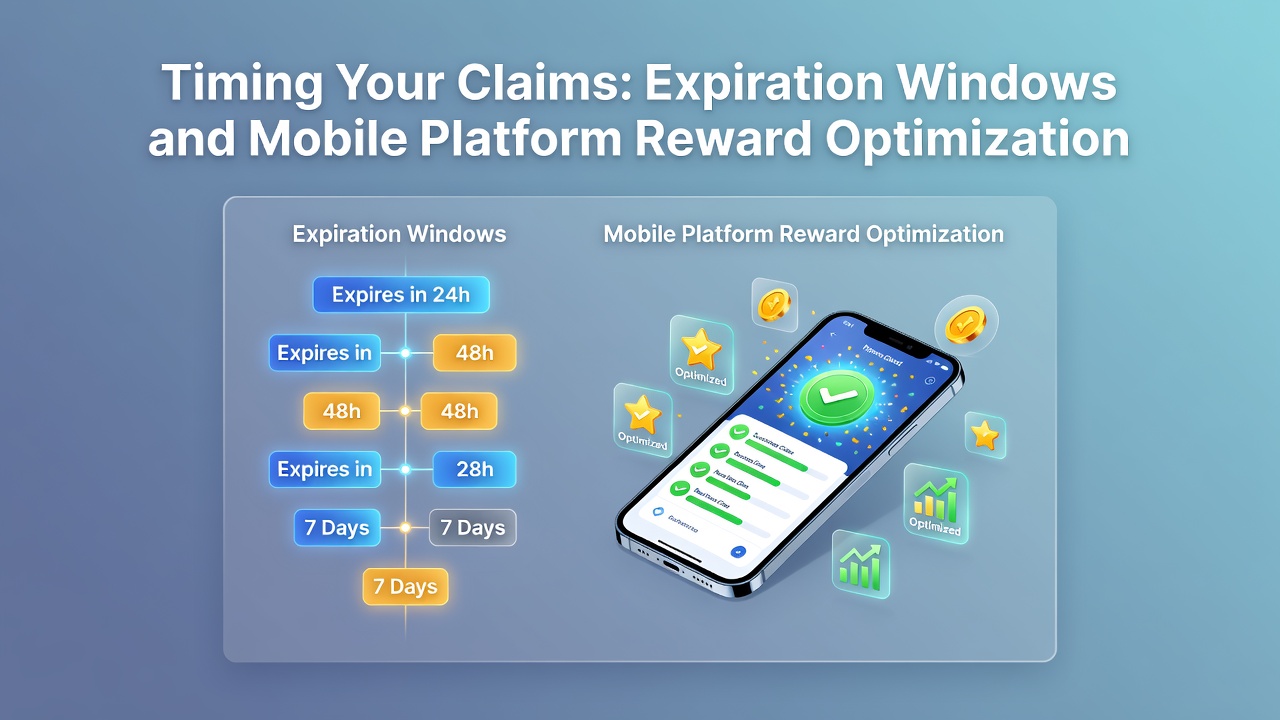
Expiration windows define the periods during which users must activate rewards on mobile platforms, and these intervals often range from 24 hours to 30 days depending on the provider's terms. Operators set these limits to manage liability while users track deadlines through app notifications and account dashboards. Research from the New Jersey Division of Gaming Enforcement indicates that precise timing influences redemption rates across digital gaming environments.
Core Mechanics of Expiration Windows
Each reward carries a defined start and end point, with the clock typically beginning at the moment of credit or bonus allocation. Mobile apps display countdown timers that update in real time, allowing users to monitor remaining hours or days through integrated calendar features. Data from industry reports shows that rewards with shorter windows, such as 48-hour periods, see higher activation concentrations near the deadline compared to longer 14-day cycles.
Users receive automated reminders at set intervals, including 72 hours, 24 hours, and 1 hour before expiry. These alerts sync with device calendars on both iOS and Android systems, which reduces missed claims when configured properly. Figures reveal that platforms adjusting notification frequency based on user activity patterns achieve improved engagement metrics.
Mobile Platform Specifics in Reward Management
App-based interfaces integrate reward tracking directly into user profiles, where expiration details appear alongside balance information. Developers design these systems to pull live data from backend servers, ensuring accuracy across time zones. Observers note that cross-platform compatibility issues occasionally arise when users switch between devices, which can reset display timers unless cloud synchronization occurs.
June 2026 brought updates to several international regulatory frameworks that required clearer disclosure of expiration terms within mobile applications. These changes prompted operators to standardize timer visibility and include explanatory tooltips for new users. The adjustments aligned with broader efforts to enhance transparency in digital reward distribution.
Optimization Approaches for Claim Timing
Users apply several methods to align claims with expiration windows. One common tactic involves setting device alarms that trigger 12 hours prior to deadline, which provides buffer time for verification steps. Another approach uses third-party reminder applications that import data from multiple betting and casino platforms into a single dashboard.
- Reviewing terms upon reward receipt to note exact expiry dates and any rollover conditions attached
- Testing claim processes early in the window to identify potential technical delays
- Coordinating claims during periods of low network traffic to avoid server congestion
Studies from academic sources on digital user behavior demonstrate that structured timing routines correlate with higher successful redemption percentages. Platforms that offer flexible claim extensions under specific conditions further support these patterns.
Data Patterns Across Regions
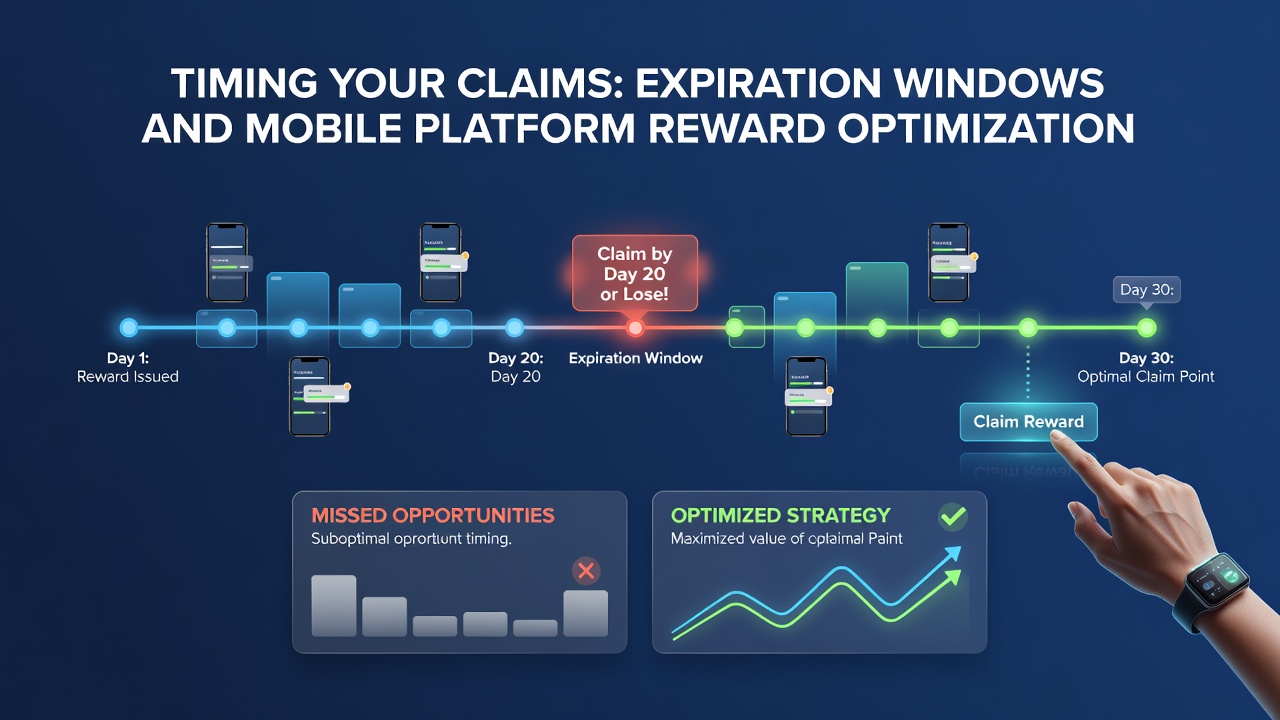
Analysis from the Australian Communications and Media Authority highlights variations in expiration handling between jurisdictions. European operators tend to favor shorter windows on promotional credits, while North American platforms extend periods for loyalty-based rewards. These differences reflect local compliance requirements and market preferences.
Reports compiled by research institutions track how seasonal factors influence claim behavior. Activity spikes occur around major sporting events or holidays, which compresses the effective use of longer expiration periods. Operators respond by adjusting default window lengths during peak times to balance user volume and system capacity.
Technical Considerations in Mobile Environments
Push notification permissions and background app refresh settings directly affect how reliably expiration alerts reach users. When these features remain disabled, reliance shifts to manual account checks, which increases the risk of overlooked deadlines. Compatibility testing across operating system versions helps developers maintain consistent timer accuracy.
Security protocols sometimes require additional verification steps immediately before claims, which can consume remaining time in tight windows. Users who complete identity checks in advance encounter fewer interruptions during final activation. Industry organizations document these friction points in annual compliance summaries.
Conclusion
Effective management of expiration windows on mobile platforms depends on consistent monitoring, early preparation, and awareness of regional regulatory shifts. Data from multiple oversight bodies shows measurable impacts from timing strategies on overall reward utilization. Continued refinement of app features and user education supports smoother interactions within these systems.