The Choreography of Credits: How Mobile Platforms Sequence Free Plays and Enhancements to Ease Cashout Barriers
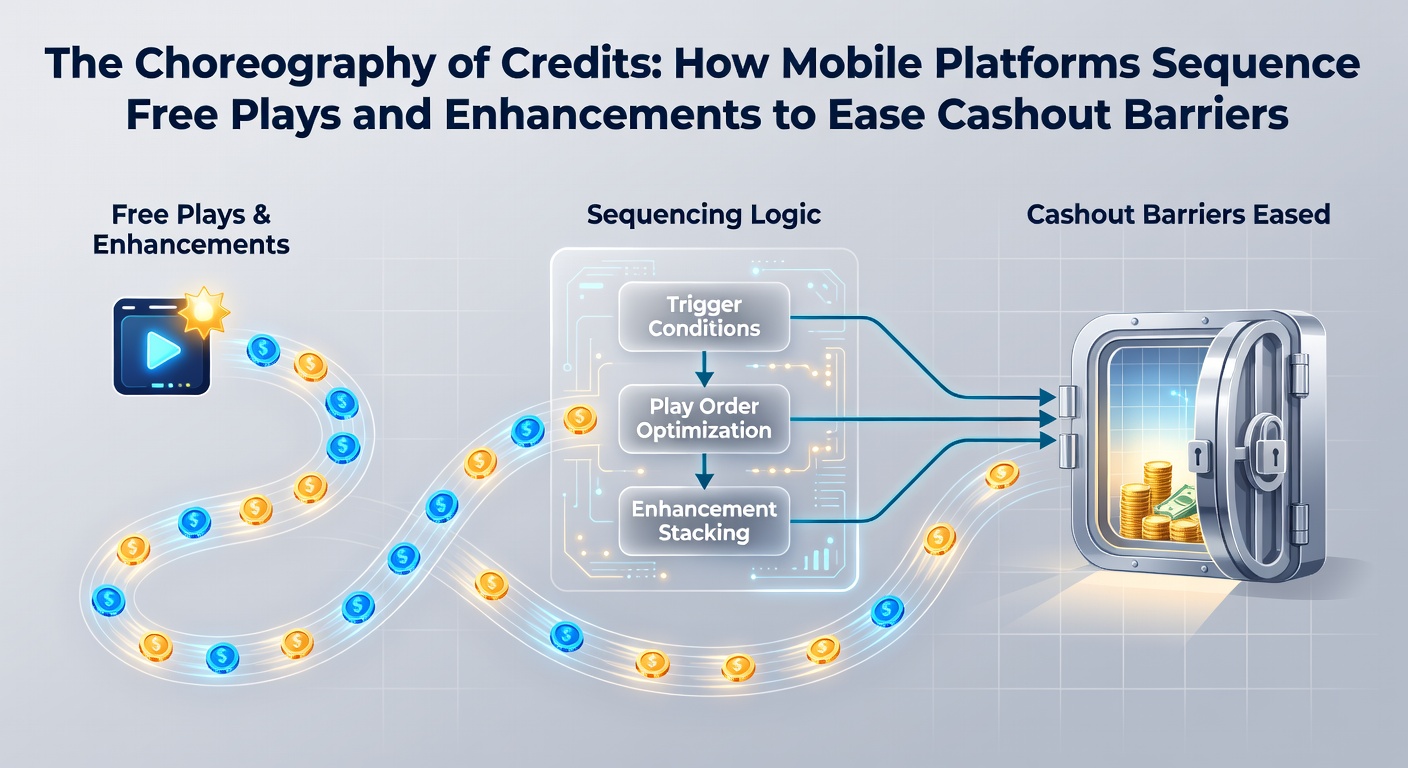
Mobile platforms arrange free plays, odds boosts, and deposit matches in deliberate sequences that lower the total wagering load before cashouts become available, and this approach has gained attention as operators adjust to new tax structures taking effect in April 2026 alongside planned shop closures scheduled for May 2026. Observers note that these sequences often begin with no-deposit credits that unlock immediately, then layer in low-multiplier enhancements so that players complete requirements faster than older flat-bonus models allowed. Data from the New Jersey Division of Gaming Enforcement shows that apps using staged releases report higher completion rates for cashout eligibility compared with single-bonus structures.
Sequencing Mechanics on Mobile Interfaces
Apps typically release the first layer of credits right after account verification, which lets users place initial bets without depositing, and subsequent stages appear once those bets settle or after a short time window closes. This creates a chain where each completed stage reduces the remaining playthrough count attached to later enhancements, and developers design the timing so that free spins or boosted odds activate only after earlier wagers clear. Researchers tracking user flows across multiple platforms have documented that staggered releases cut the effective multiplier by combining small free-bet increments with slot-specific perks that carry separate, often lower, requirements.
Because the system tracks every credit type separately, users see progress bars that update in real time, and this visibility encourages continued play within the same session. Platforms also insert reminder notifications when a sequence nears completion, prompting the next action before the offer expires. Those who follow the order described in the terms finish the chain with fewer total stakes than older models required.
Layering Free Plays with Enhancement Tools
Free plays usually serve as the entry point, yet operators pair them with odds boosts that apply only to specific markets so that the boosted selections help satisfy wagering faster. A free bet on a low-odds event might combine with an enhancer that doubles returns on higher-odds selections, and the app calculates the combined contribution toward the total needed for cashout. Studies from the Australian Institute of Criminology indicate that such pairings reduce the average number of bets required by roughly one-third when users activate both elements in the intended order.
Enhancements also include cashback on losses that resets daily, and mobile systems apply this credit automatically to the next deposit or directly to an active sequence. The automatic application prevents users from missing the window, while the system logs each credit type so that overlapping requirements do not stack unnecessarily. Operators have refined these overlaps since the introduction of higher remote gaming duties, shifting emphasis toward mobile sequences that deliver quicker liquidity.

Impact on Cashout Barriers
Cashout barriers shrink when the sequence spreads wagering across multiple low-threshold stages rather than one large requirement, and apps display the remaining balance after each stage clears. This transparency allows users to plan bets that count toward several credits at once, such as selecting markets that qualify for both free-play and boost contributions. Figures released by the European Gaming and Betting Association reveal that platforms employing multi-stage sequencing record a measurable drop in abandoned bonus chains during the first half of 2026.
Withdrawal limits tied to bonus activity also adjust downward once all sequenced elements reach completion, and the app flags eligible accounts for instant processing when the final stage clears. Some operators now embed a final low-wagering slot round that converts remaining credits into withdrawable funds without adding new multipliers. These final steps emerged as responses to cost pressures following the April 2026 duty changes and the May 2026 retail adjustments.
Regulatory Context and Platform Adjustments
Regulators in several jurisdictions have begun examining how sequencing affects player behavior, and platforms respond by publishing clear flow charts within the app that outline each credit stage. Canadian provincial authorities, for example, require operators to list the exact order and contribution rates so users understand the path to cashout before they start. Compliance teams update these disclosures whenever tax or licensing rules shift, which occurred again ahead of the 2026 deadlines.
Operators have also introduced session timers that pause sequences if activity drops, preventing accidental expiration while still guiding users toward completion. These timers appear alongside progress indicators so that the full chain remains visible even during breaks in play. Industry reports compiled by university research groups note that such features correlate with higher cashout success rates across tested mobile applications.
Conclusion
Mobile platforms continue to refine credit sequencing as tax and operational changes reshape the sector through 2026, and the resulting systems spread requirements across timed stages that integrate free plays with targeted enhancements. Data from multiple regulatory bodies confirms that these arrangements lower the total stakes needed before funds become withdrawable. Operators maintain detailed in-app guidance to meet disclosure standards while users follow the established order to reach cashout eligibility more efficiently.